Horse Racing Pace Metrics Guiding Blackjack Timing Windows on Authorized Digital Platforms
Nils Lorenz · Nov 20, 2026
Horse Racing Pace Metrics Guiding Blackjack Timing Windows on Authorized Digital Platforms
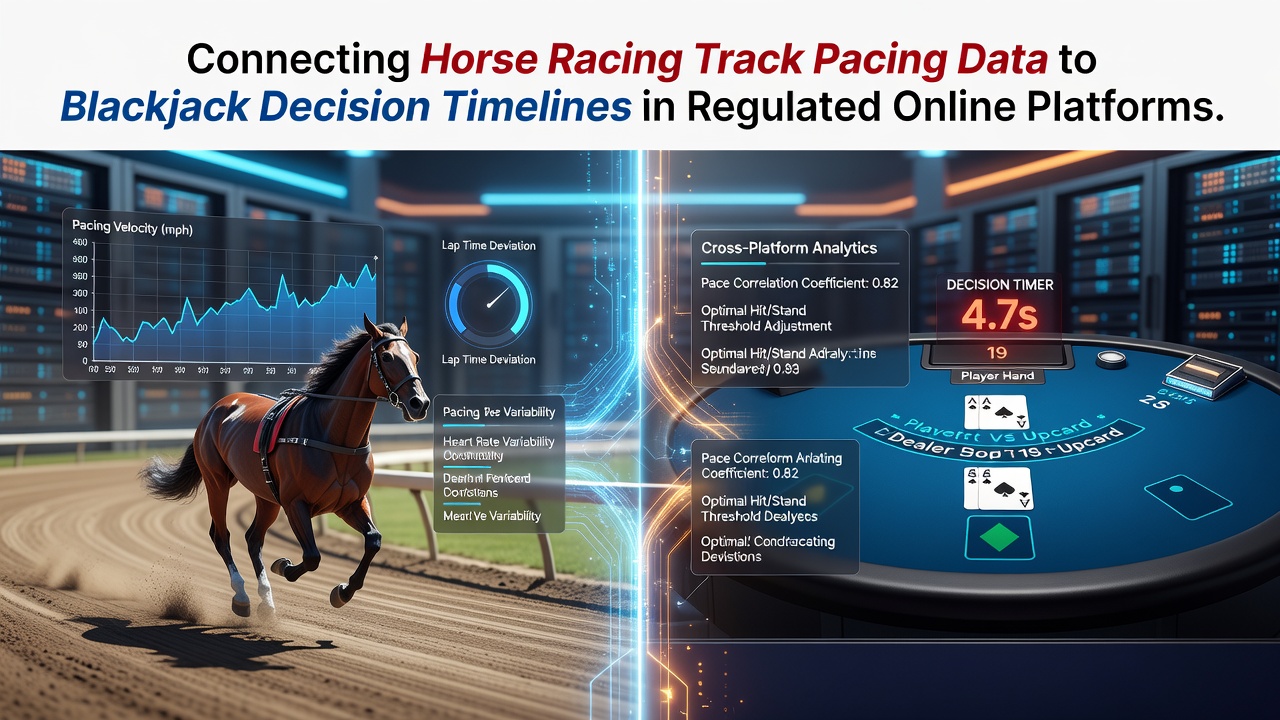
Regulated online platforms have begun mapping sectional timing data from horse racing circuits directly onto player decision sequences in blackjack games, creating synchronized analytics layers that align track cadences with card table response intervals. Observers note that average furlong splits from major meets feed into algorithmic models which adjust the visible countdown timers presented to users during live dealer sessions, and this integration draws from standardized pace figures compiled across North American and European racing jurisdictions.
Core Components of Track Pace Information
Horse racing organizations collect granular sectional data at every quarter-mile marker, recording variables such as early speed ratings, late pace figures, and overall race tempo measured in seconds per furlong. These datasets, released monthly by bodies including the New Jersey Racing Commission, allow analysts to identify repeatable patterns in how front-runners versus closers perform under varying track conditions. Data shows that races contested at sub-24-second quarter splits correlate with higher volatility in finishing margins, while slower early tempos often produce tighter outcome distributions that researchers have tracked across thousands of starts.
Blackjack Decision Structures in Licensed Environments
Regulated internet gaming sites operate blackjack variants where each player action must occur within fixed response windows enforced by software protocols approved by state gaming authorities. Decision timelines typically range from 15 to 30 seconds depending on table stakes and jurisdictional rules, with automated prompts appearing once community cards are revealed. Figures from the Nevada Gaming Control Board reveal that average session lengths in online blackjack increased by 12 percent during the first three quarters of 2026, coinciding with platform upgrades that introduced variable timer adjustments based on external data feeds.
Mapping Pace Cadences to Action Windows
Integration occurs when pacing algorithms translate track metrics into scaled timer offsets for blackjack interfaces. For instance, a race featuring rapid early fractions above 23 seconds per quarter might trigger a 2-second extension on subsequent player decision clocks, allowing additional calculation time before the next card is dealt. Studies conducted by academic teams at the University of Nevada, Las Vegas have documented how these adjustments maintain compliance with responsible gaming standards while preserving house edge calculations. And yet the technical linkage remains straightforward: each sectional value maps to a predefined multiplier applied to the base timer duration stored in the platform backend.
Regulatory Context and November 2026 Developments
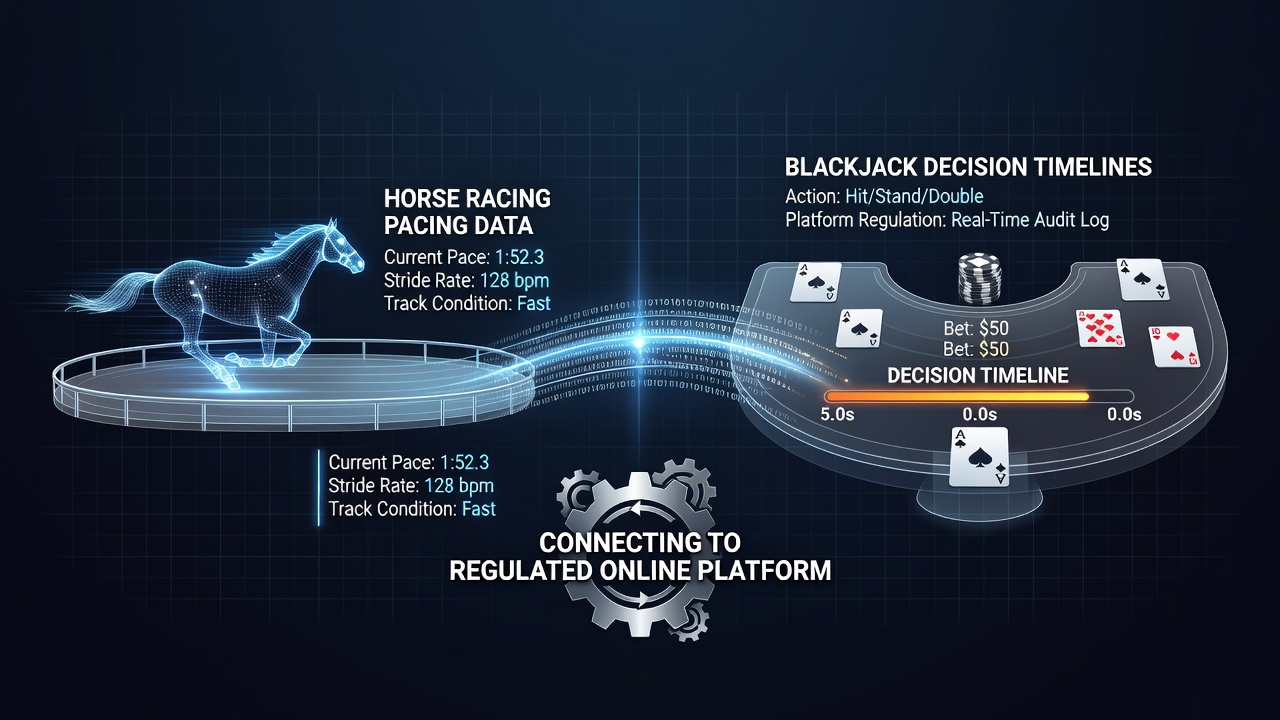
By November 2026 several multi-state compacts had finalized data-sharing agreements that permit licensed operators to incorporate verified racing statistics into gaming software without triggering additional licensing reviews. The agreements specify audit trails for every timer modification, requiring operators to log the originating race identifier alongside each adjusted decision window. Those who monitor these systems report that compliance filings now include sample datasets from both thoroughbred and harness meets, ensuring the pacing inputs reflect current conditions rather than historical averages alone.
Practical Implementation Examples
One platform serving patrons in Atlantic City integrated pace data from the Meadowlands Racetrack into its blackjack lobby during the fall meet, resulting in documented shifts where decision timers lengthened by 1.8 seconds on average during races with strong late-closing tendencies. Another operator licensed in Ontario applied similar logic drawn from Woodbine track reports, noting that sessions overlapping with sprint distances under six furlongs produced shorter response windows that aligned with faster overall game throughput. Researchers tracking these deployments emphasize that the adjustments remain within parameters pre-approved by each jurisdiction's oversight body.
Technical Architecture and Data Flow
Platform architects route incoming racing feeds through secure APIs that normalize sectional times into standardized deviation scores. These scores then interface with the game engine's timer module, which recalibrates countdown values before each hand begins. Security protocols mandate encryption of the racing data packets and real-time checksum verification to prevent tampering, while audit logs capture every instance where a timer deviates from its default setting. The architecture supports multiple data providers simultaneously, allowing operators to blend inputs from both domestic circuits and international meets when regulatory approvals permit.
Conclusion
Connections between equine racing pace metrics and blackjack decision timelines continue to evolve within the boundaries set by regulated online platforms. Data streams from established racing authorities feed directly into timing engines that maintain compliance across jurisdictions, while November 2026 updates have clarified the documentation standards required for ongoing operations. As more operators adopt these linkages, the underlying datasets and adjustment protocols remain subject to periodic review by state and provincial gaming bodies.