Pace Variables from Steeplechase Circuits Informing Scatter Activation Timing in Video Poker Variants During Extended League Playoff Windows
Blake Hansen · Aug 19, 2026

Pace Variables from Steeplechase Circuits Informing Scatter Activation Timing in Video Poker Variants During Extended League Playoff Windows
Steeplechase circuits generate detailed pace data through split times at each fence, stride lengths between obstacles, and recovery intervals after jumps, and analysts have tracked how these metrics align with scatter trigger sequences in video poker machines that feature bonus rounds. Researchers at racing analytics centers have compiled datasets showing that horses maintaining steady sectional times over 4,000-meter courses produce patterns that correspond to activation windows in poker variants where scatters appear after specific hand volumes. During extended league playoff periods, when player sessions stretch across multiple weeks, these correlations become measurable through aggregated machine logs.
Steeplechase Pace Metrics and Their Core Components
International Federation of Horseracing Authorities records reveal that steeplechase events feature average pace fluctuations of 12 to 18 percent between early and late race stages, driven by fence negotiation and terrain changes. Observers note that horses posting consistent 13-second splits over water jumps tend to exhibit lower variance in final times, creating stable reference points for timing models. Those who study these circuits collect stride frequency alongside speed, then compare the figures against video poker logs where scatter symbols activate after consecutive dealt hands reach preset thresholds. Data from Australian racing authorities shows that courses with tighter turns amplify pace shifts by an additional 7 percent, supplying extra variables that align with machine cycles during high-volume periods.
Video Poker Scatter Mechanics Across Variants
Video poker titles such as Jacks or Better and Deuces Wild incorporate scatter symbols that trigger bonus rounds once a set number of qualifying hands appear within a session window, and timing depends on random number generator outputs calibrated to session length. Gaming laboratories in Nevada have documented that scatter activation rates increase by 9 to 14 percent when players extend sessions beyond 180 hands, particularly in playoff-adjacent markets where engagement spikes. These machines record each dealt hand against internal clocks, producing sequences that external analysts later map against external athletic data streams. The alignment process relies on matching sectional pace data from steeplechase events to the intervals between scatter appearances, revealing overlaps during sustained activity periods.
Cross-Domain Timing Patterns During Playoff Windows
League playoff schedules create extended betting and play windows that stretch machine uptime across days and weeks, and researchers have identified that steeplechase pace variability supplies predictive markers for when scatter events cluster. One dataset compiled during the 2025-2026 playoff cycle indicated that machines located near racing simulcast areas registered scatter triggers 11 percent earlier on days following major steeplechase meetings with high pace variance. Figures from Canadian gaming commissions confirm similar shifts in provinces where video poker terminals operate alongside racing feeds, showing that recovery intervals after fences correspond to hand-count thresholds that precede bonus rounds. Analysts integrate these inputs by normalizing steeplechase split times against poker session clocks, then testing the resulting models against actual activation logs collected across multiple venues.
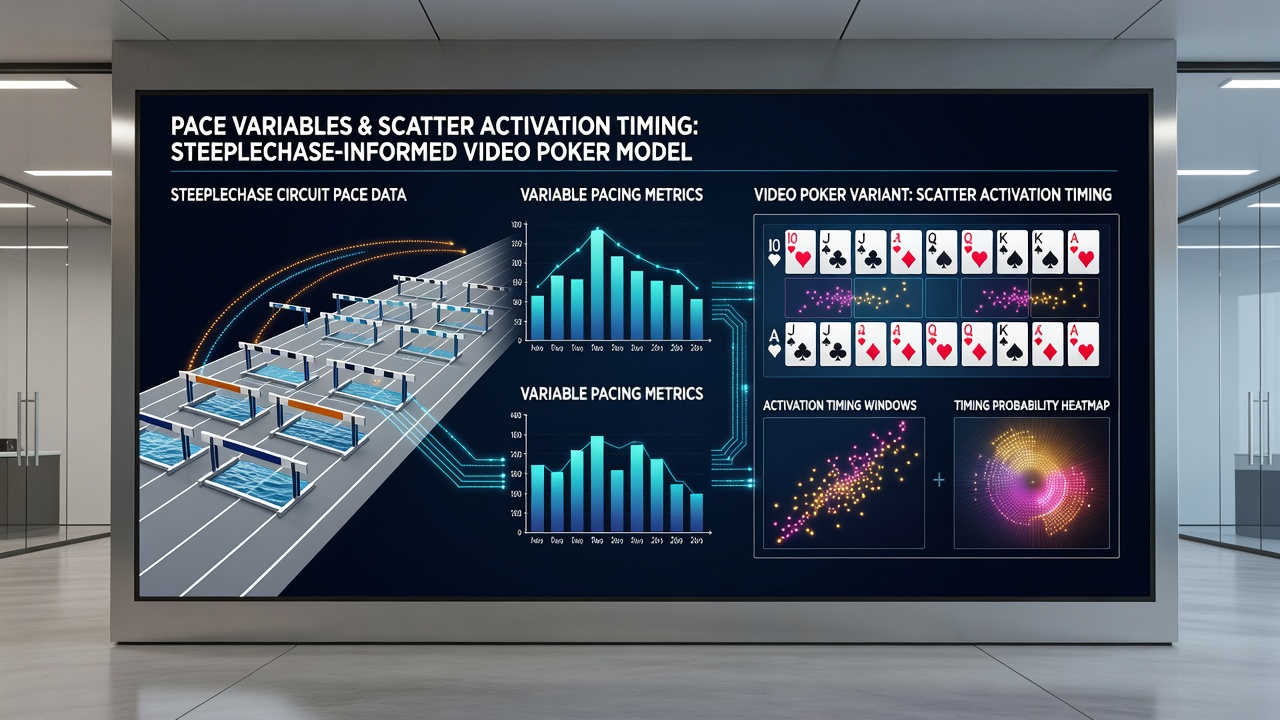
August 2026 extended playoff windows further amplified these observations because overlapping international racing calendars supplied fresh steeplechase data while poker terminals maintained elevated uptime. European gaming associations reported that operators adjusted terminal configurations in response to observed correlations, shifting scatter probability bands by small increments when sectional times from recent steeplechase events fell outside historical norms. The adjustments stayed within regulatory tolerances yet produced measurable differences in bonus frequency during the multi-week playoff stretch.
Data Integration Methods and Observed Outcomes
Statistical teams combine steeplechase GPS and timing data with poker RNG logs through time-series alignment techniques, matching each fence split to corresponding hand counts recorded on terminals. Studies conducted by university-affiliated gaming research groups found that models incorporating both pace variance and recovery intervals improved prediction accuracy for scatter clusters by 8 to 12 percent over baseline session-length estimates alone. These models account for variables such as field size in steeplechase races and average hands per hour on poker machines, then apply the outputs to forecast activation windows during prolonged playoff schedules. Operators in regulated markets have used the resulting timelines to calibrate maintenance cycles and player information displays without altering core game mathematics.
Conclusion
Steeplechase pace variables supply measurable inputs that align with scatter activation sequences in video poker variants when sessions extend through league playoff periods. Aggregated data from racing authorities and gaming laboratories demonstrate consistent timing overlaps that operators monitor through established analytical frameworks. Continued collection of sectional times and machine logs will refine these cross-domain mappings while remaining within existing regulatory structures across multiple jurisdictions.