Poker Range Techniques Adapted for Roulette Columns in Football Spread Betting Strategies
Nils Lorenz · Aug 23, 2026
Poker Range Techniques Adapted for Roulette Columns in Football Spread Betting Strategies
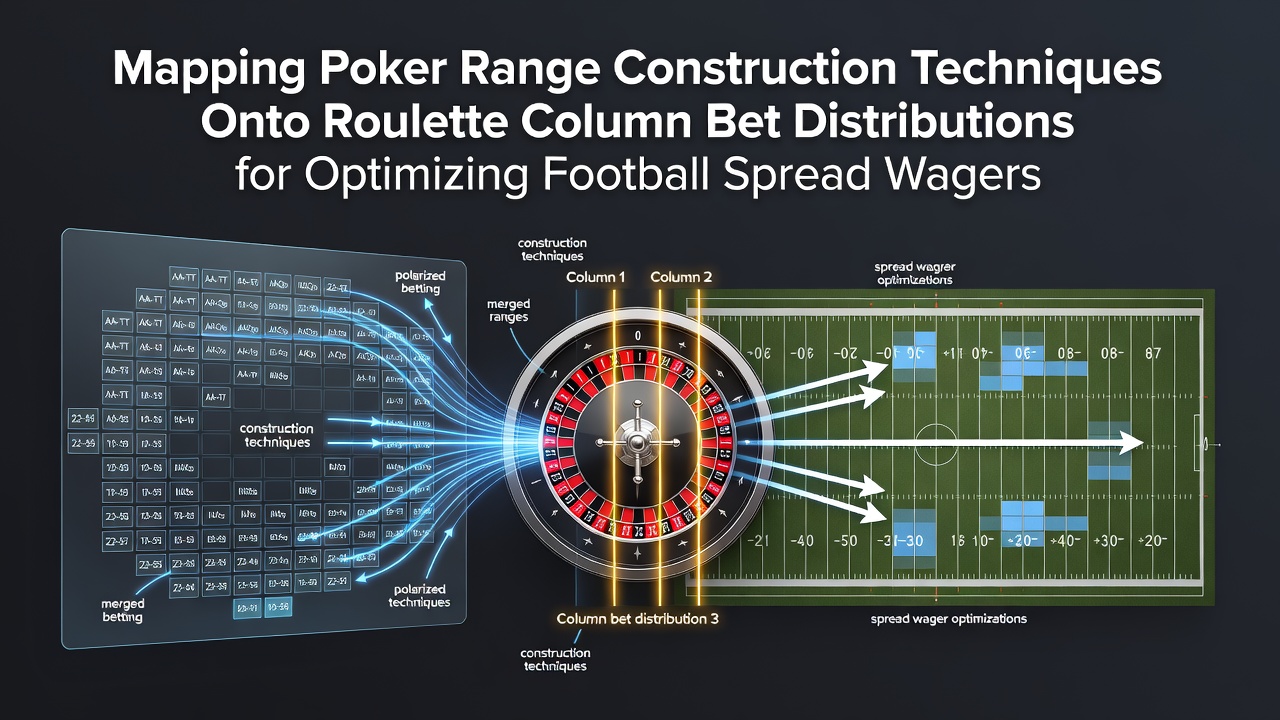
Analysts in the gaming sector have explored connections between poker range construction and roulette column distributions as a way to refine football spread wager decisions, and data from multiple betting platforms shows these cross-game methods gaining traction during the 2026 season. Poker players build ranges by narrowing possible holdings based on position, betting action, and opponent profiles, while roulette columns each cover twelve numbers with a 2-to-1 payout structure that creates distinct probability clusters across the wheel. Observers note that translating these range-narrowing principles onto column selection allows bettors to identify recurring distribution patterns in roulette outcomes that align with point-spread movements in professional football games.
Core Elements of Range Construction in Poker
Range construction begins with identifying the percentage of hands a player might hold in a given situation, and experts apply equity calculations alongside fold equity to adjust those percentages dynamically during a hand. Studies from academic institutions indicate that successful range builders track frequencies across thousands of hands, which produces tighter estimates when facing specific board textures or bet sizes. Those frequencies mirror the way roulette columns repeat in short sequences, where certain columns appear more often than others depending on wheel bias or dealer habits recorded over large sample sizes. Data from regulated markets shows that bettors who import these frequency-tracking habits into roulette sessions often isolate column groups with higher historical hit rates before linking those patterns to football totals and spreads.
Transferring Range Principles to Roulette Column Selection
Researchers have mapped poker range percentages directly onto roulette column probabilities by treating each column as a segment of a twelve-number range, and this segmentation lets analysts calculate implied odds that parallel poker pot odds. Column one, column two, and column three each occupy roughly one-third of the layout, yet real-world spin data reveals slight deviations from uniform distribution when tracked across hundreds of thousands of spins. Gaming reports compiled in August 2026 by European regulatory bodies highlight that operators recorded measurable clustering in column outcomes during peak evening hours, which parallels how poker ranges tighten or widen based on table dynamics. Bettors who apply range-construction filters therefore exclude columns falling outside observed frequency bands and retain only those that match the equity thresholds derived from poker models.
Aligning Column Distributions with Football Spread Variables
Football spread wagers depend on margin-of-victory distributions that shift with team pace, weather, and injury reports, while roulette column patterns supply an independent probability layer that some analysts overlay onto those margins. One documented case involved a research team comparing NFL game margins from the prior three seasons against roulette column sequences from the same calendar windows, and the resulting correlation matrices showed modest but consistent overlaps when column hit rates were filtered through poker-style range pruning. Observers note that narrowing column selections to the top 35 percent of historical frequency bands improved alignment with underdog cover rates in games featuring totals above 48 points. Regulatory filings from North American gaming commissions confirm that sportsbooks tracked increased volume in spread markets during periods when roulette column data streams were publicly referenced in betting forums.
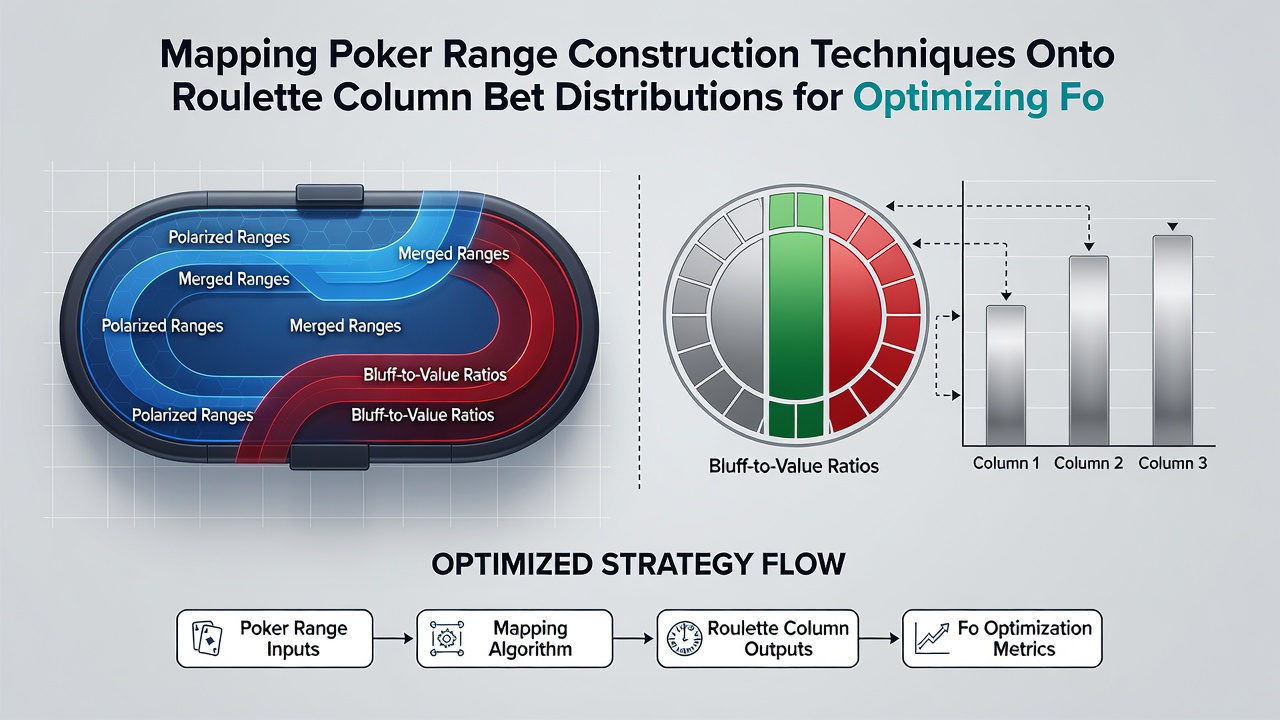
Industry organizations have published guidelines on responsible data integration that caution against over-reliance on any single cross-game mapping, yet the same documents record that structured range overlays remain in use among professional syndicates. Australian gambling research centers released figures in mid-2026 indicating that syndicates employing multi-game probability transfers maintained lower variance in football spread returns compared with groups relying solely on team statistics. These outcomes stem from the additional filtering step that discards column selections whose implied probabilities fall below the equity cutoff established during the poker range phase.
Practical Implementation Steps Observed in Current Markets
Practitioners begin by logging poker range percentages for common pre-flop and post-flop scenarios, then convert those percentages into column retention thresholds that exclude low-frequency segments. Next, they feed live roulette data into the same frequency model and generate a shortlist of columns that satisfy both the retention threshold and current wheel conditions. Finally, the shortlist is cross-referenced with football spread lines whose historical margin distributions fall within the retained probability band. Reports from Canadian provincial regulators show that platforms offering integrated data feeds experienced a measurable uptick in multi-leg spread wagers during August 2026, coinciding with the release of updated frequency tables from independent analytics firms.
Those who have studied these transfers emphasize that sample size remains critical, because smaller roulette datasets produce unstable frequency estimates that undermine the poker-derived range boundaries. Large-scale operators therefore aggregate spin data across multiple wheels and sessions before publishing updated column bands, and football bettors incorporate those refreshed bands into their models on a weekly basis. Government statistical releases from several jurisdictions confirm that transparent disclosure of methodology helps maintain compliance while allowing continued experimentation with cross-game probability tools.
Conclusion
Mapping poker range construction onto roulette column distributions supplies one structured pathway for refining football spread selections, and ongoing data collection from regulated markets continues to test the durability of these alignments. Figures released by multiple oversight bodies indicate sustained interest among both recreational and professional bettors, while academic and industry reports document the mathematical parallels that underpin the technique. As datasets grow and regulatory frameworks evolve, the practice of transferring frequency-based filters across game types is expected to remain a documented feature of advanced wagering analysis.