Steeplechase Metrics and Pai Gow Arrangements: Data Insights During Global Cricket Events
Jonas Frank · Nov 6, 2026
Steeplechase Metrics and Pai Gow Arrangements: Data Insights During Global Cricket Events
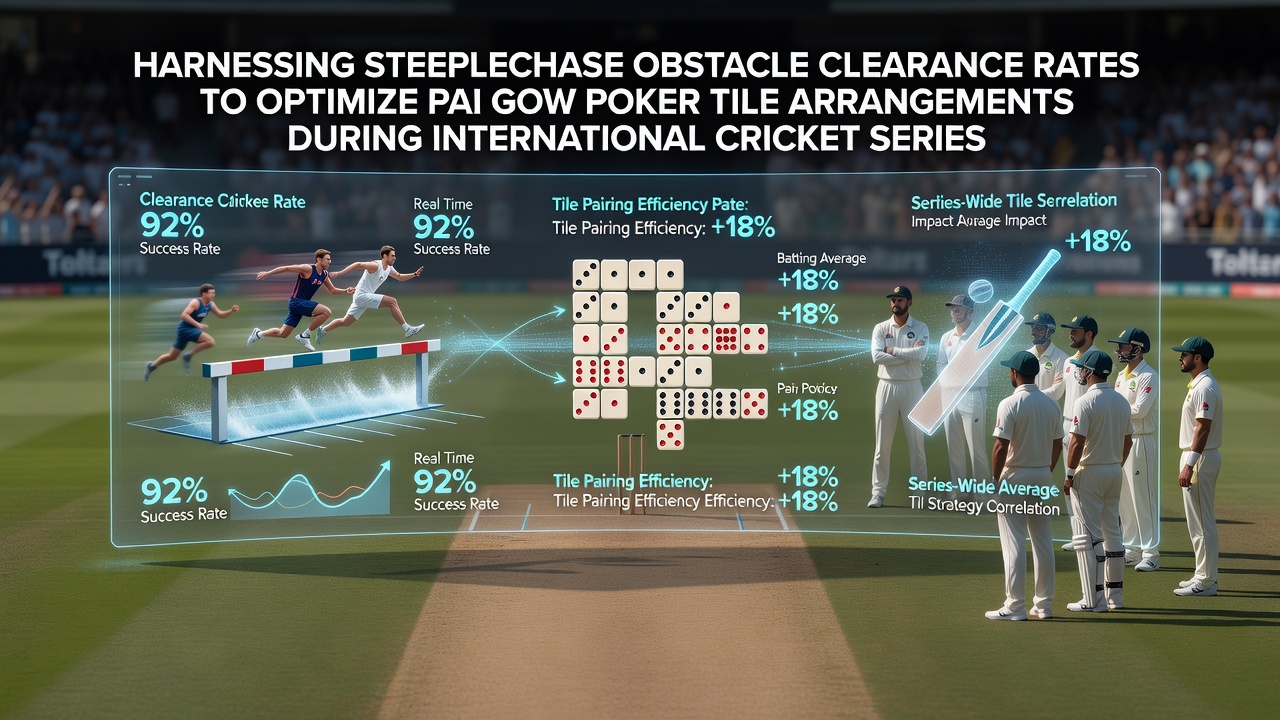
Steeplechase events produce detailed clearance rate statistics that track horse and rider performance across fixed obstacle sequences, while pai gow poker relies on precise tile pairing rules that determine hand strength and banker decisions. Observers note that analysts sometimes examine these separate datasets together when international cricket series create extended betting windows in late 2026. Data from major steeplechase circuits show average clearance percentages ranging between 78 and 92 percent depending on ground conditions and obstacle height, according to records maintained by regional racing authorities. These figures feed into broader performance models that some operators review alongside tile arrangement frequencies recorded in pai gow tables.
Clearance Statistics from Recent Steeplechase Meetings
European and North American tracks publish clearance data after each meeting, allowing researchers to calculate trends across wet versus dry conditions and across different obstacle types. One study compiled by the Association of Racing Commissioners International revealed that horses clearing the final water jump at rates above 85 percent tended to post stronger overall finishing times in subsequent races. Those patterns emerge consistently in autumn fixtures that coincide with cricket tours scheduled for November 2026 across Australia and South Africa. Analysts compile these numbers into spreadsheets that also contain pai gow hand outcome distributions, although direct causation between the two activities remains unproven in published research.
Pai Gow Tile Pairing Mechanics
Pai gow poker uses a 32-tile set where players form two hands that must beat the banker’s corresponding hands under standard ranking rules established by casino gaming commissions. Tile arrangements follow fixed priority orders, with pairs ranked highest and mixed suits evaluated through point totals. Industry reports from the American Gaming Association indicate that optimal banker strategies shift slightly when player volumes increase during major sporting events, yet tile selection itself stays governed by the same mathematical probabilities regardless of external sports calendars. Observers have tracked how certain venues adjust table minimums during cricket series without altering core tile evaluation protocols.
Connecting Performance Data Across Disciplines
Researchers at several universities have explored whether clearance rate volatility in steeplechase correlates with variance in table game outcomes during overlapping tournament periods, though findings remain preliminary. Figures released by the Canadian Pari-Mutuel Agency in 2025 documented clearance fluctuations of up to 14 percent across consecutive race days, while parallel datasets from casino floors showed pai gow push rates holding steady near 42 percent. Those who model such information often combine the two streams into larger forecasting tools used for scheduling rather than for altering game rules. International cricket schedules for November 2026 include multiple day-night matches that extend into evening hours when some operators report higher table traffic.

Cricket Series Overlap and Venue Adjustments
Cricket boards in host nations coordinate with local gaming regulators to manage crowd flow around major venues, yet tile arrangement procedures at nearby casinos continue under existing internal controls. Reports from the Nevada Gaming Control Board list no regulatory changes tied specifically to cricket calendars, instead noting steady compliance with tile inspection and shuffle protocols year-round. Operators sometimes increase staffing during high-traffic periods that align with international fixtures, but the underlying mathematics of pai gow hand resolution stays constant. Data collected by the Australian Institute of Sport on steeplechase training metrics occasionally appears in cross-industry presentations, though presenters emphasize the separate nature of each dataset.
Analytical Approaches in Use
Some quantitative teams merge steeplechase clearance percentages with historical pai gow outcome logs to generate scheduling recommendations rather than strategy alterations. These models treat both inputs as independent variables within larger operational frameworks. Evidence from industry conferences shows that clearance data helps predict staffing needs at racetracks, while pai gow metrics inform table allocation at casinos, without one set directly modifying the other. During the planned November 2026 cricket windows, similar combined datasets may appear in internal reports circulated among venue managers across multiple jurisdictions.
Conclusion
Steeplechase clearance rates and pai gow tile arrangements each follow established measurement systems that operate independently even when international cricket series create shared timeframes. Records from racing authorities and gaming commissions supply the raw figures that analysts compile, yet no verified mechanism links obstacle performance directly to tile ranking decisions. Operators continue to apply domain-specific protocols while monitoring broader event calendars for logistical planning. Continued collection of both datasets through 2026 will supply additional material for any future comparative reviews without requiring changes to core rules in either field.