Timing Integration Between Racing Circuit Data and Roulette Mechanisms Supports Accumulator Refinement in Licensed Markets
Jonas Frank · Oct 9, 2026
Timing Integration Between Racing Circuit Data and Roulette Mechanisms Supports Accumulator Refinement in Licensed Markets
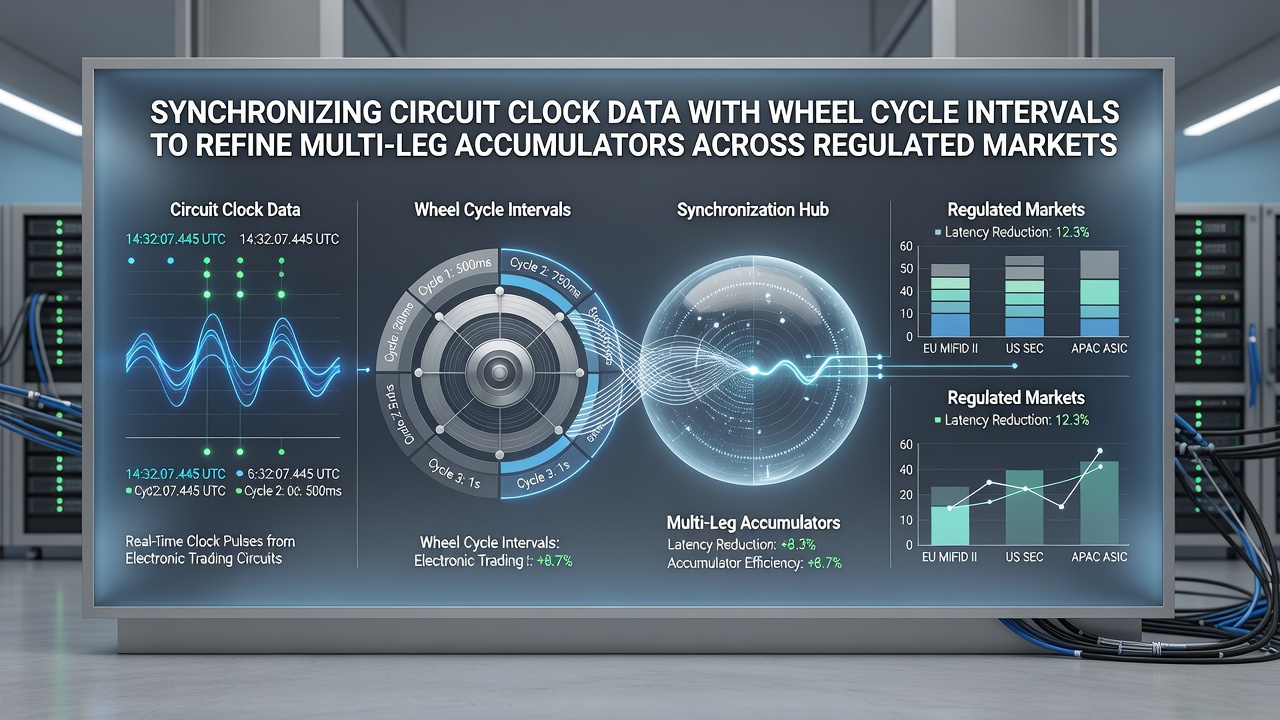
Regulated gaming markets continue to explore methods that align precise timing signals from racing circuits with the rotational intervals of roulette wheels, and this approach allows operators to adjust multi-leg accumulator structures in real time across multiple jurisdictions. Observers note that circuit clock data provides millisecond-level updates on event progression while wheel cycle measurements track spin durations and deceleration patterns, and the combination creates a shared reference frame for bettors seeking to layer wagers on football, basketball, and table games simultaneously.
Core Components of the Synchronization Framework
Industry reports indicate that racing circuit timing systems rely on transponder technology installed along track sections, and these devices feed continuous positional data into centralized servers that also receive input from casino floor sensors monitoring roulette wheel speed. When operators connect the two streams, they can identify overlapping intervals where a racing lap segment concludes at roughly the same moment a wheel completes its final rotations, and this overlap supplies a temporal anchor point for accumulator calculations. Research from academic centers shows that such alignment reduces variance in predicted outcomes because the shared clock reference accounts for both physical event timing and mechanical wheel behavior at once.
Regulators in several regions require documented audit trails for any data feed used in live betting products, and October 2026 saw updated compliance guidelines from the Nevada Gaming Control Board that explicitly address cross-device timing feeds. Those guidelines require operators to demonstrate that clock synchronization occurs within defined tolerance bands, and they also mandate third-party verification of the algorithms that translate timing matches into accumulator odds adjustments.
Application Across Multiple Regulated Jurisdictions
European markets have adopted similar frameworks through oversight from bodies such as the Malta Gaming Authority, while Australian state regulators have begun pilot programs that link thoroughbred racing timing feeds with casino wheel data in licensed venues. Data from these programs reveals that synchronized intervals allow operators to recalculate multi-leg accumulator payouts when a racing segment and a roulette spin finish within a narrow window, and the resulting odds shifts appear on digital terminals used by patrons. Industry associations report that this method has been tested in controlled environments where separate markets for horse racing, basketball live spreads, and roulette column bets run in parallel, and the shared timing layer helps maintain consistency across those offerings.
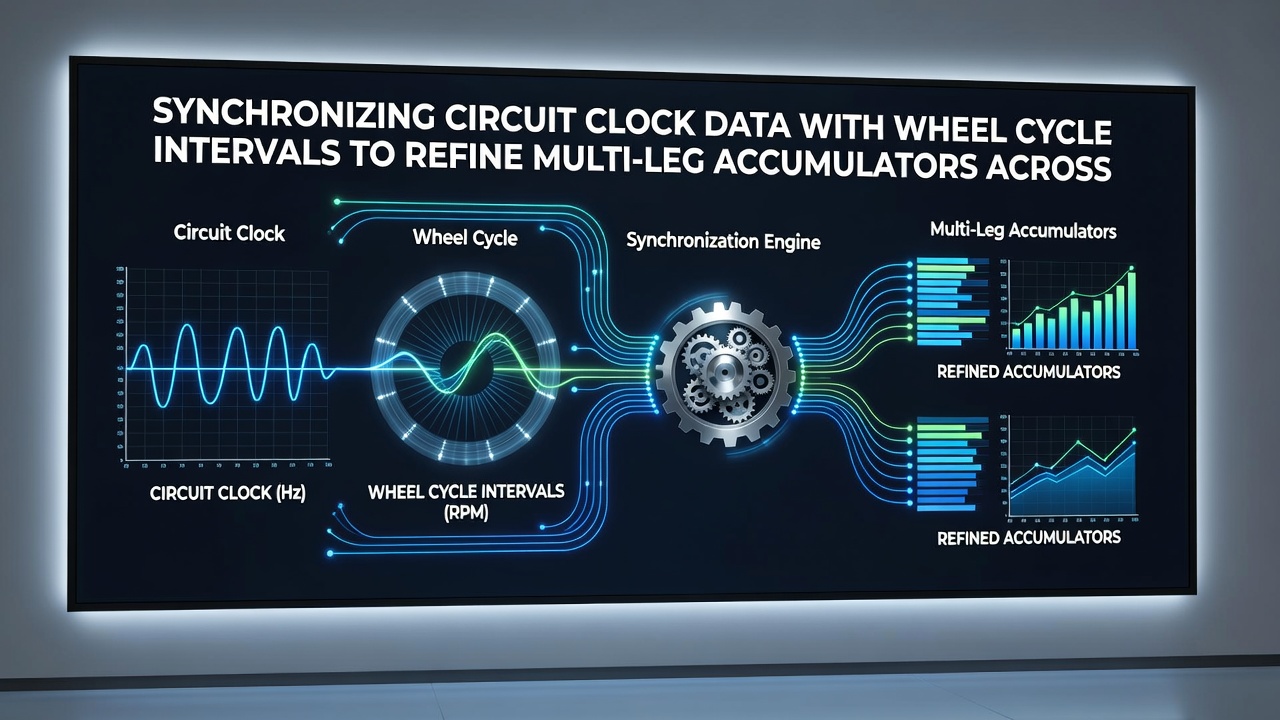
Operators must still separate the data sources for regulatory reporting purposes, yet the merged timing reference operates in a secure environment that prevents any single market from influencing another directly. Figures from research institutions indicate that the computational load remains manageable because modern servers process the dual streams without introducing latency that would affect live odds display.
Technical Implementation and Data Handling
Implementation begins with standardized data packets that carry timestamps from both circuit transponders and wheel sensors, and these packets undergo encryption before transmission to a central processing unit. Software modules then compare the timestamps against predefined matching criteria, and when a match occurs within the set tolerance, the system flags the event for accumulator recalculation. Studies conducted by university engineering departments have examined error rates in timestamp comparison, and results show that sub-millisecond accuracy is achievable when hardware clocks receive regular synchronization pulses from a common source.
Security protocols require that any adjustment to accumulator terms be logged with both the original and revised values, and access to these logs remains restricted to authorized compliance personnel. Jurisdictions that permit this type of integration also stipulate that patrons receive clear notification whenever an accumulator is modified due to timing alignment, and operators must retain records for a minimum period set by local statute.
Conclusion
Coordinated timing between racing circuit clocks and roulette wheel cycles supplies a measurable reference that supports refinement of multi-leg accumulators in regulated markets, and ongoing developments in October 2026 demonstrate continued regulatory attention to the technical and compliance aspects of such systems. Available data indicates that the approach operates within existing legal frameworks when proper safeguards and audit procedures remain in place.